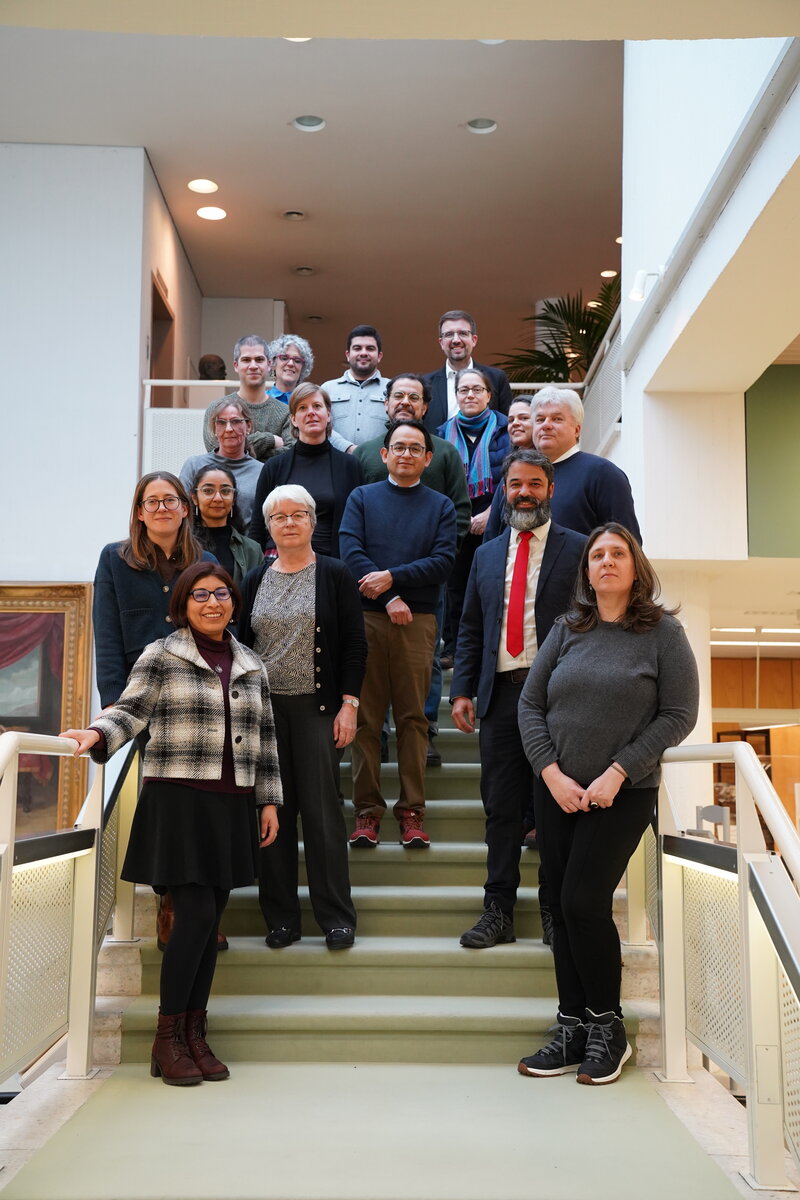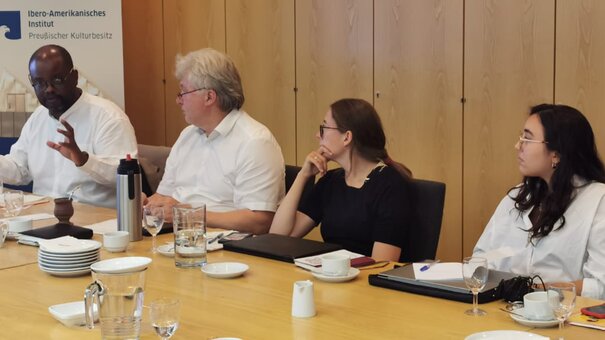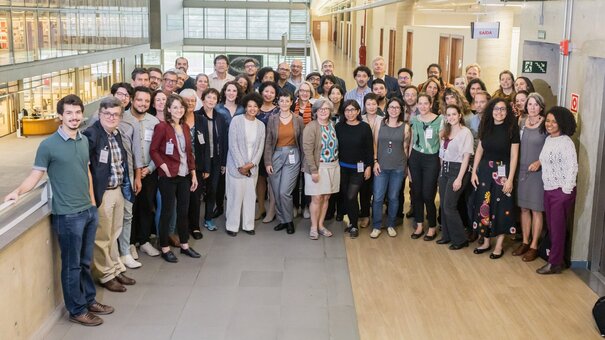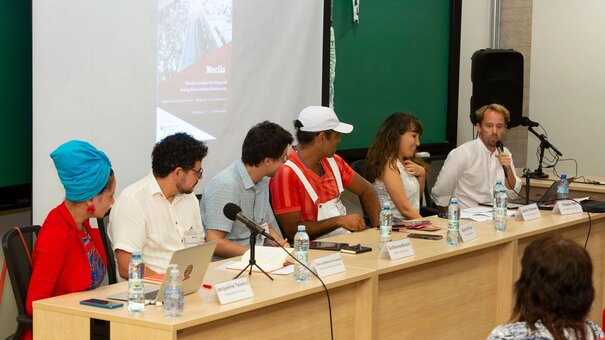
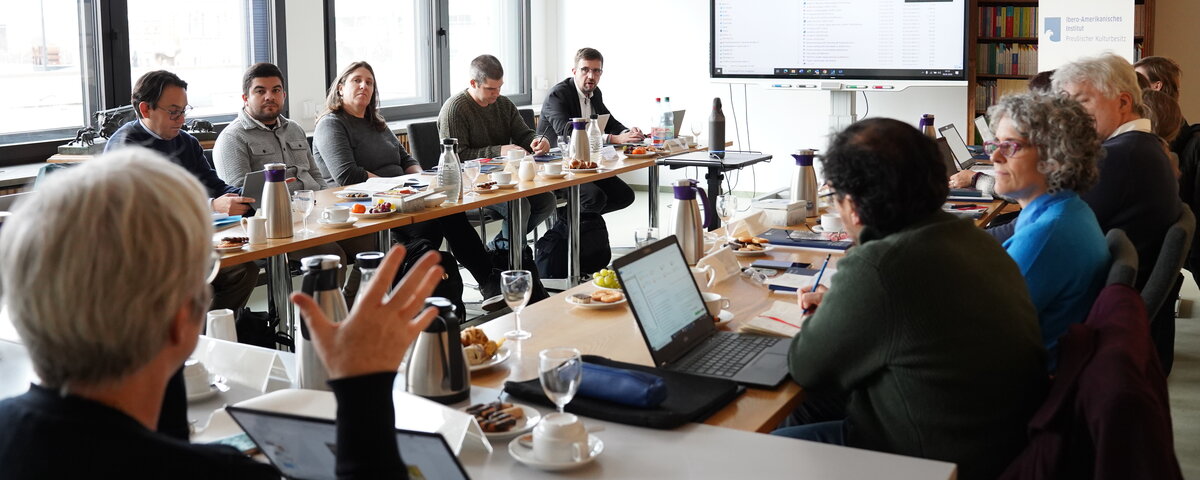
From February 18 to 20, 2026, the Ibero-Amerikanisches Institut (IAI) hosted the Mecila Institutional Workshop “Mecila Information Infrastructure: Taking Stock and Looking Forward”. The meeting brought together scholars, librarians, data specialists and invited guests from Germany and Latin America to reflect on the development, challenges and future perspectives of the Information Infrastructure of the Maria Sibylla Merian International Centre for Advanced Studies in the Humanities and Social Sciences Conviviality-Inequality in Latin America (Mecila) (external link, opens in a new window). At a moment marked by geopolitical tensions, debates on data sovereignty and an accelerating pace of digital transformation, the workshop offered a space to reassess the role of knowledge infrastructures for international and interdisciplinary research.
The discussions were guided by a central question: Why do Latin American information infrastructures matter today? For the region itself, but also for Germany and Europe. Participants emphasized that libraries, archives and digital repositories are not neutral service units. They shape access to knowledge, influence the circulation of ideas and contribute to the preservation of cultural memory. In times in which political discourses increasingly focus on national security and strategic control over information, maintaining open, internationally connected infrastructures was described as a crucial contribution to democratic futures.
Taking stock: Mecila as a laboratory of internationalization
Over the past years, Mecila has developed an articulated information infrastructure connecting partner institutions in Germany and Latin America. Beyond providing access to catalogues and digital resources, this infrastructure has enabled the creation of an electronic reading environment for copyrighted works and strengthened cooperation between participating libraries. These efforts became particularly relevant during the first years of the project’s main funding phase, when the COVID-19 pandemic severely restricted physical mobility and access to on-site collections.
The workshop offered an opportunity to reflect on these experiences. Participants agreed that Mecila has functioned as a laboratory of internationalization. It has not only linked institutions across continents but has also fostered dialogue on how infrastructures are organized, how inequalities are reproduced through classifications and access regimes, and how they can be critically rethought. Infrastructure was repeatedly described as more than technology; it encompasses people, practices and institutional cultures. Sustainable cooperation depends on trust, long-term commitment and the continuous exchange of expertise.
Open science, sovereignty and asymmetries
Several contributions addressed the paradoxes of academic publishing and the structural asymmetries embedded in global knowledge production. Researchers generate scholarly content, libraries acquire it, yet commercial publishers often determine conditions of access. In this context, Open Access and Open Science were framed as institutional and cultural challenges rather than purely technical reforms. They require training, translation across disciplinary and linguistic boundaries and a redefinition of professional roles within universities and research centres.
The circulation of Latin American social sciences provided another focal point. Participants examined how certain debates travel internationally while others remain marginal, and how infrastructures such as libraries, archives and research institutes act as mediators in these processes. South-North knowledge flows were discussed as spaces of both cooperation and inequality, underscoring the need for reciprocal partnerships and resilient regional infrastructures.
Perspectives from the natural sciences
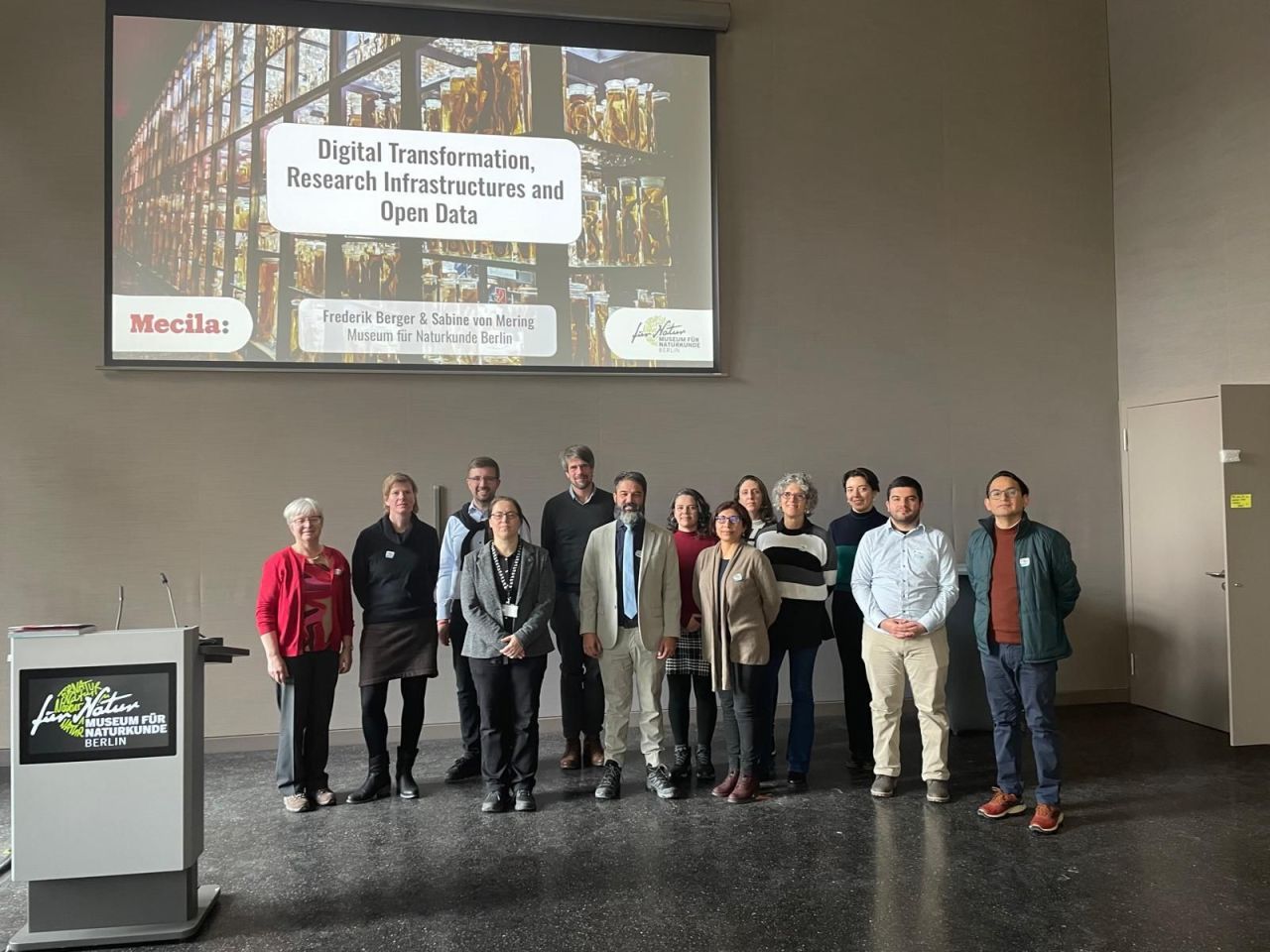
A visit to the Museum für Naturkunde (external link, opens in a new window) offered an additional perspective on information infrastructures beyond the humanities and social sciences. Participants gained insight into digitization processes for natural history collections and reflected on the material, technical and epistemological dimensions of transforming physical objects into digital data. The visit highlighted that digitization requires significant expertise and resources, and that digital transformation is neither automatically cheaper nor less complex than maintaining physical collections.
Responsibility and cultural sensitivity
The workshop also addressed the handling of culturally sensitive materials in library and archival collections. Discussions focused on colonial contexts of knowledge production, asymmetries in historical research practices and the tensions between open access principles and indigenous data governance frameworks. Participants emphasized the importance of long-term, collaborative processes and of acknowledging diverse ontologies and legal regimes. Rather than perceiving accessibility and protection as contradictory aims, the exchange pointed toward pragmatic and dialogical approaches that combine openness with responsibility.
Libraries as learning spaces
Throughout the meeting, the role of libraries as central learning spaces within universities was repeatedly stressed. Especially during the preparation of theses and research projects, students rely on methodological guidance, documentation training and support in navigating both physical and digital environments. Information infrastructures were thus described as educational spaces that contribute to academic literacy and research competence. The professional profiles involved in this work increasingly transcend traditional distinctions between academic and administrative roles, positioning librarians and data specialists as active knowledge brokers.
Looking ahead
The Mecila Institutional Workshop 2026 provided an opportunity to situate ongoing work within broader transformations affecting research infrastructures worldwide. Participants highlighted that collaboration remains the key to long-term success. Stable networks, shared expertise and mutual learning processes are essential for maintaining and further developing transnational knowledge platforms.
By bringing together diverse perspectives from Latin America and Germany, the Berlin meeting reaffirmed the strategic relevance of Mecila’s Information Infrastructure. It demonstrated that building and sustaining such infrastructures is not only a technical task, but also a social, political and intellectual endeavour that requires continuous reflection and cooperative engagement.
What is Mecila?
The cooperation project “Maria Sibylla Merian International Centre for Advanced Studies in the Humanities and Social Sciences Conviviality-Inequality in Latin America” (Mecila) was established in 2017.It investigates past and present forms of social, political and cultural living together in Latin America and the Caribbean, contributing to a deeper understanding of conviviality in unequal societies. Mecila is funded by the Bundesministerium für Forschung, Technologie und Raumfahrt (external link, opens in a new window) (BMFTR, German Federal Ministry of Research, Technology and Space). After a three-year preliminary phase and a main phase from April 2020 until March 2026, Mecila’s final phase will run until 2029.
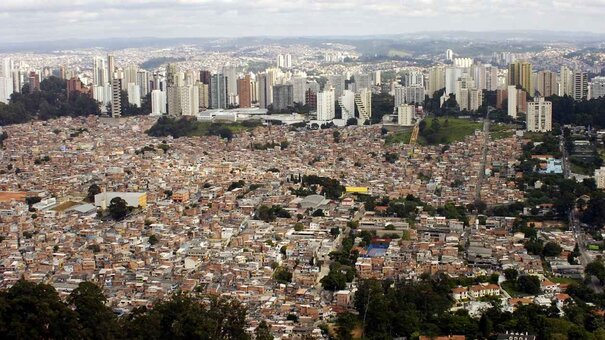
Mecila’s headquarters are located in São Paulo, with additional hubs in La Plata, Mexico City, Cologne and Berlin. The consortium includes the Freie Universität Berlin (external link, opens in a new window) (overall coordination), the Ibero-Amerikanisches Institut (coordination of the Medialities of Conviviality research area and development of the information infrastructure), the Universität zu Köln (external link, opens in a new window) (coordination of the [Hi]stories of Conviviality research area and research data management), the Universidade de São Paulo (external link, opens in a new window) (Brazil), the Centro Brasileiro de Análise e Planejamento (external link, opens in a new window)(São Paulo, Brazil), the Instituto de Investigaciones en Humanidades y Ciencias Sociales (external link, opens in a new window) (CONICET (external link, opens in a new window) / Universidad Nacional de La Plata (external link, opens in a new window), Argentina) and El Colegio de México (external link, opens in a new window) (Mexico City) .
As part of the “Maria Sibylla Merian Centers” funding line, Mecila seeks to strengthen sustainable academic cooperation between the Global South and the Global North and to create long-term platforms for collaborative knowledge production.