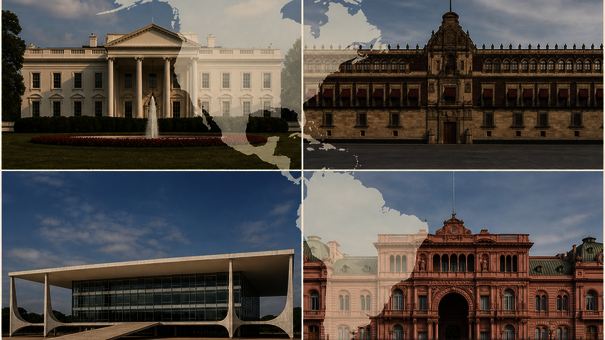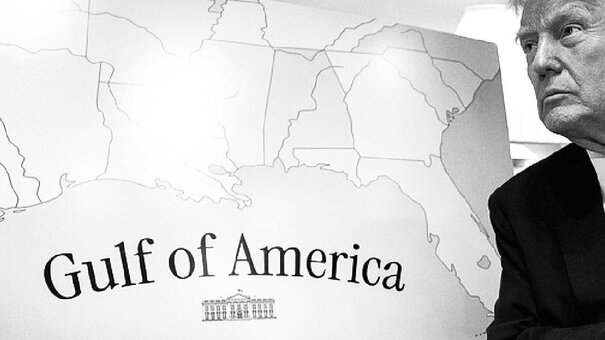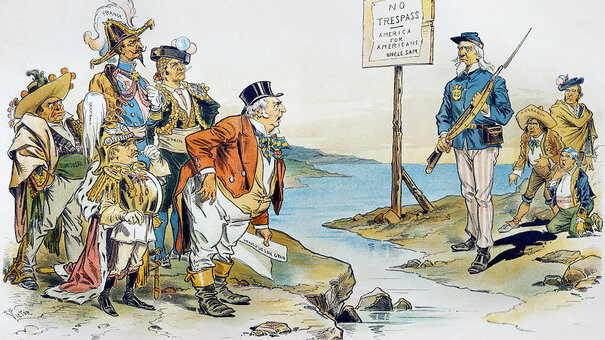
The Ibero-Amerikanisches Institut (IAI) is participating in the event series“We the People — Programme Initiative by the Stiftung Preussischer Kulturbesitz to mark the 250th Anniversary of the US Declaration of Independence (external link, opens in a new window)” with a Lecture Series.
History of Relations Between the U.S. and Latin America
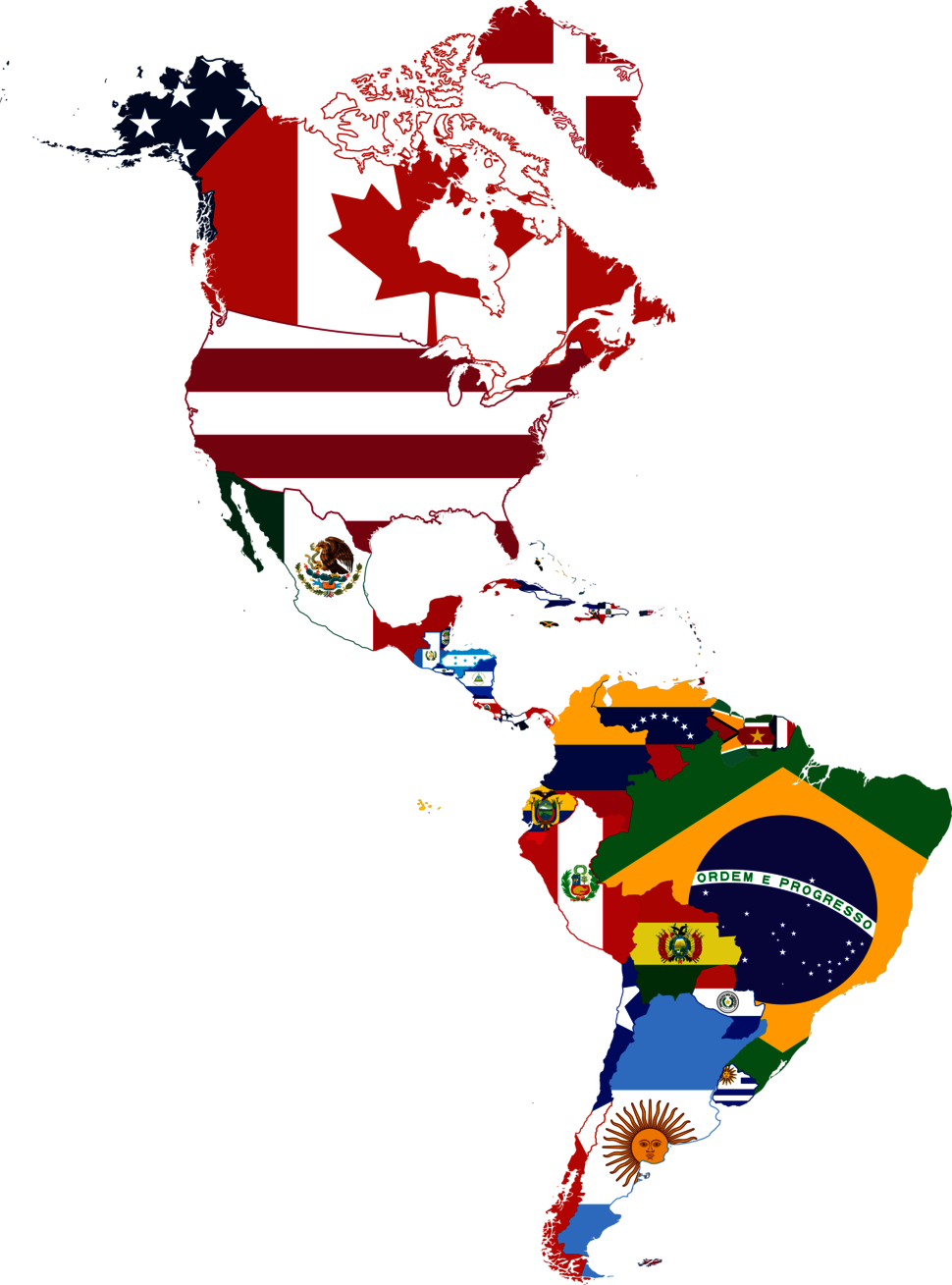
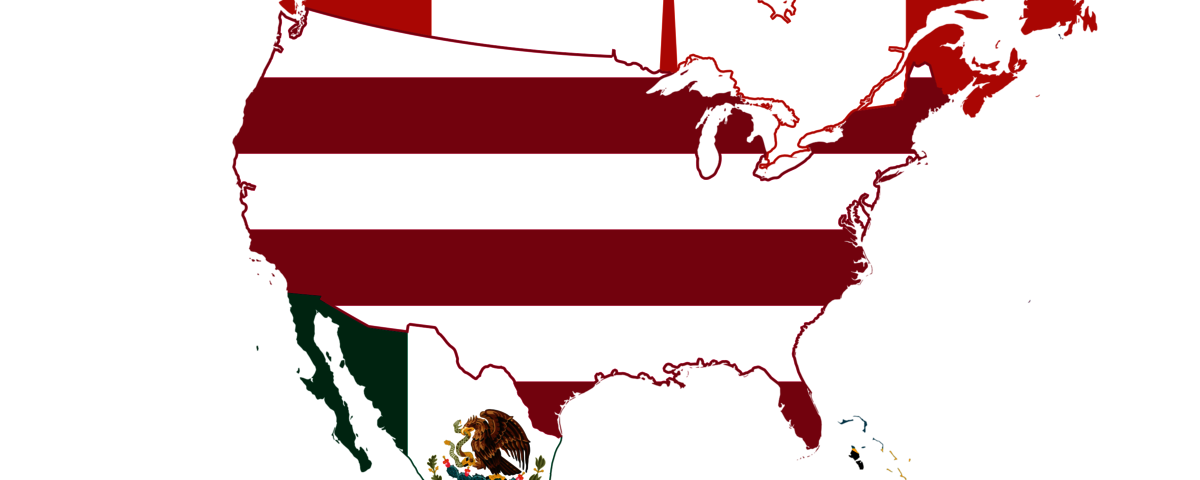
The U.S. Declaration of Independence in 1776 also marked the beginning of a history of relations between the U.S. and Latin America that is now entering its 250th year.
In his lecture on July 16, 2026, Thomas Fischer (Katholische Universität Eichstätt-Ingolstadt) will examine from a historical perspective the — and traces its development up to the last decade (lecture in German).
Following that, at the series’ event on September 8, 2026, Wolfgang Muno (external link, opens in a new window) (Universität Rostock (external link, opens in a new window)) will interpret current U.S. policy toward Latin America within a historical and theoretical context (lecture in German).
Migration Experiences from a Literary Perspective
The United States is the primary destination for immigrants from Latin America, a fact that is also reflected in literary representations.
Drawing on selected 21st-century texts, Miriam Lay Brander (Katholische Universität Eichstätt-Ingolstadt) (external link, opens in a new window) will explore literary depictions of migration by female authors living in the U.S. during the event on September 17, 2026. In doing so, she draws attention to women’s migration experiences and , in particular, explores the connections the protagonists of these narratives establish with their destinations (lecture in German).
Presidential Systems of Government in Times of Political Polarization
Against the backdrop of an era marked by the increasing personalization of election campaigns and political polarization, Mariana Llanos (external link, opens in a new window) (German Institute for Global and Area Studies GIGA-ILAS (external link, opens in a new window)) will address the diversity of presidential systems of government in North and South America from a historical perspective in her lecture on October 22, 2026. Building on this foundation , she will analyze the challenges currently facing presidential democracies (lecture in English).
Democracies in the Americas
Building on Tocqueville’s classic analysis, Stefan Rinke (external link, opens in a new window) (Freie Universität Berlin (external link, opens in a new window)) examines the democracies of Latin America in his lecture on November 19, 2026, and asks how the history of democracy changes when the Americas are viewed not as a U.S. exception but as a contested hemispheric space of experience (lecture in German).
“Being Human Is a Political Act”
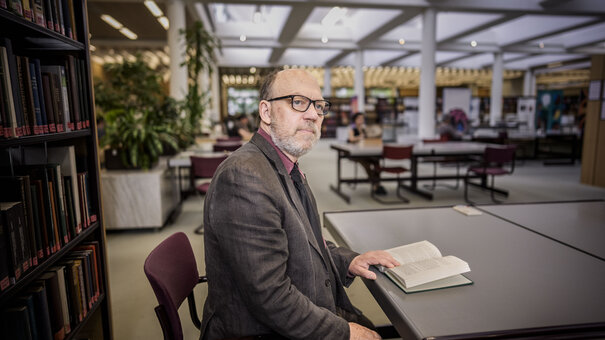
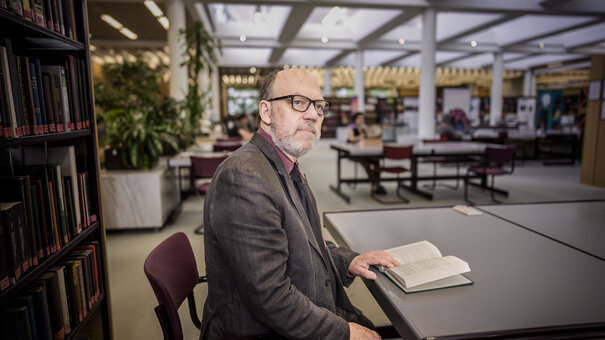
To kick off the event series“We the People —a program initiative of the Prussian Cultural Heritage Foundation marking the 250th Independence Day of the United States” (external link, opens in a new window)—and in cooperation with the Einstein Forum (external link, opens in a new window) — Pulitzer Prize winner and Yale historian Greg Grandin (external link, opens in a new window) spoke on June 2, 2026, at the Ibero-Amerikanisches Institut about the history of North and South America and their deeply intertwined developments.
(Click here for the interview with and lecture by Greg Grandin (Yale University)).