A Writer Between Worlds – Spain, Latin America, the Caribbean, Berlin
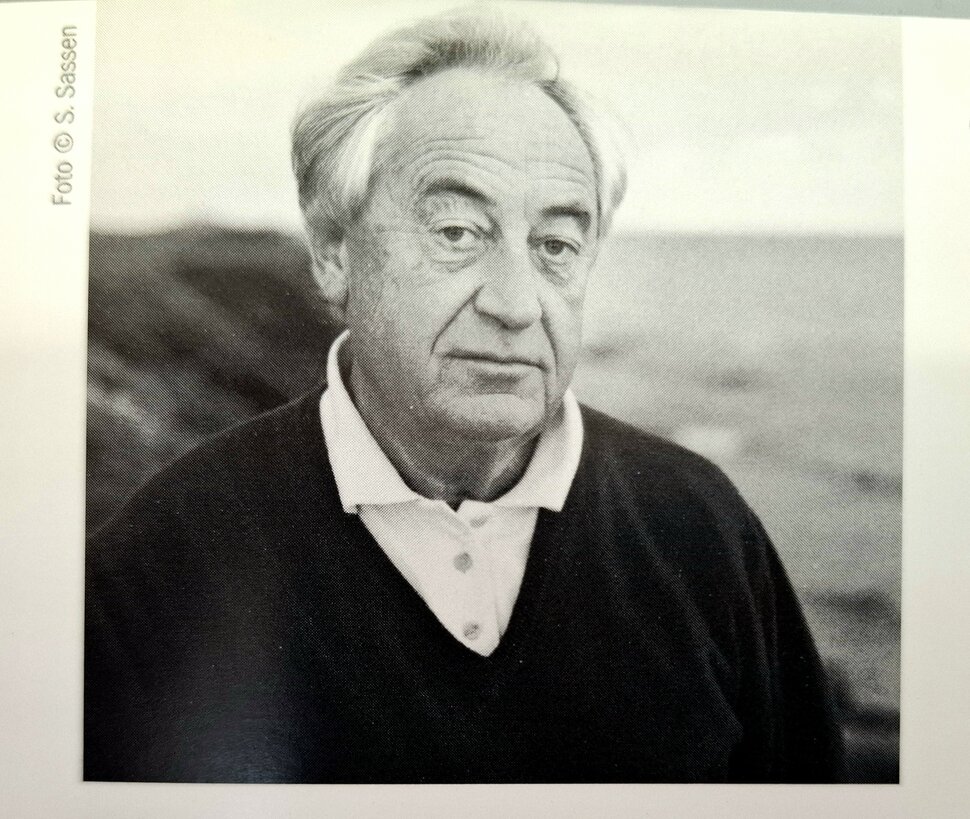
Cees Nooteboom made the act of being on the move into a literary stance. In his essays, novels, and travel writings, he explored the cultural landscapes of Spain and Portugal, turned his gaze toward Latin America and the Caribbean, and wove geographical observation with historical and philosophical reflection. His texts open doors to Iberian and Ibero-American worlds with such sensitive precision that they transcend the realm of travel writing.
Berlin also held a central place in his thinking and writing. Since the 1960s, Nooteboom returned to the city again and again, capturing its transformation with meticulous observation. His works on Berlin reveal a deep sensitivity to urban history, cultural encounters, and moments of transition—themes that have long resonated with the IAI.
Nooteboom and the IAI
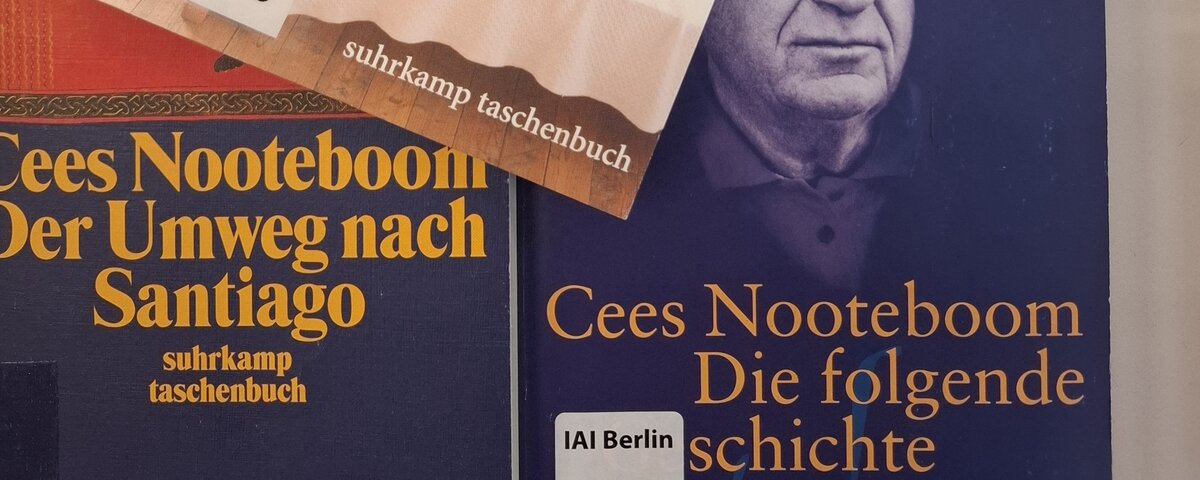
For many years, Cees Nooteboom maintained a close relationship with the IAI, particularly as a regular user of its library and as a literary guest. One of the most memorable moments was the event Tras las huellas del Quijote (2005), so well attended that it had to be moved to a larger hall. As part of the 400 Years of Don Quixote series, Nooteboom guided the audience at the IAI — in cooperation with the Instituto Cervantes in Berlin — in a reflective and narrative journey “following in the footsteps of Don Quixote.” On this occasion, he presented a chapter from Der Umweg nach Santiago and reflected on literature, travel, and the enduring relevance of classical texts today.
His novel Allerseelen also references the IAI—subtly, but meaningfully—highlighting the role this space played in his life in Berlin.
A Legacy That Endures
Cees Nooteboom leaves behind an impressive literary legacy: novels such as Rituale and Die folgende Geschichte, poetry collections, essays, and travel narratives that established him as one of Europe’s most significant authors of his generation. His writing blends philosophical lightness with a keen, inquisitive eye on the world, engaging deeply with themes of memory, identity, cultural translation, and the relationship between history and the present.
This thematic depth and openness to otherness reflect core concerns of the IAI: an interest in transregional connections, attention to spaces of perception, and the vital importance of cultural mediation.