Bad Bunny’s performance at this year’s Super Bowl was more than a musical highlight — it was a cultural statement. In a single moment, the global reach of Latin American and Caribbean communities in the United States was powerfully reaffirmed, reminding us that Latino culture is not a peripheral influence, but a foundational force in shaping American identity.
This moment invites reflection on the Ibero-Amerikanisches Institut's (IAI) extensive archival holdings — a living record of the deep historical and ongoing connections between Latin America, the Caribbean, and the United States.
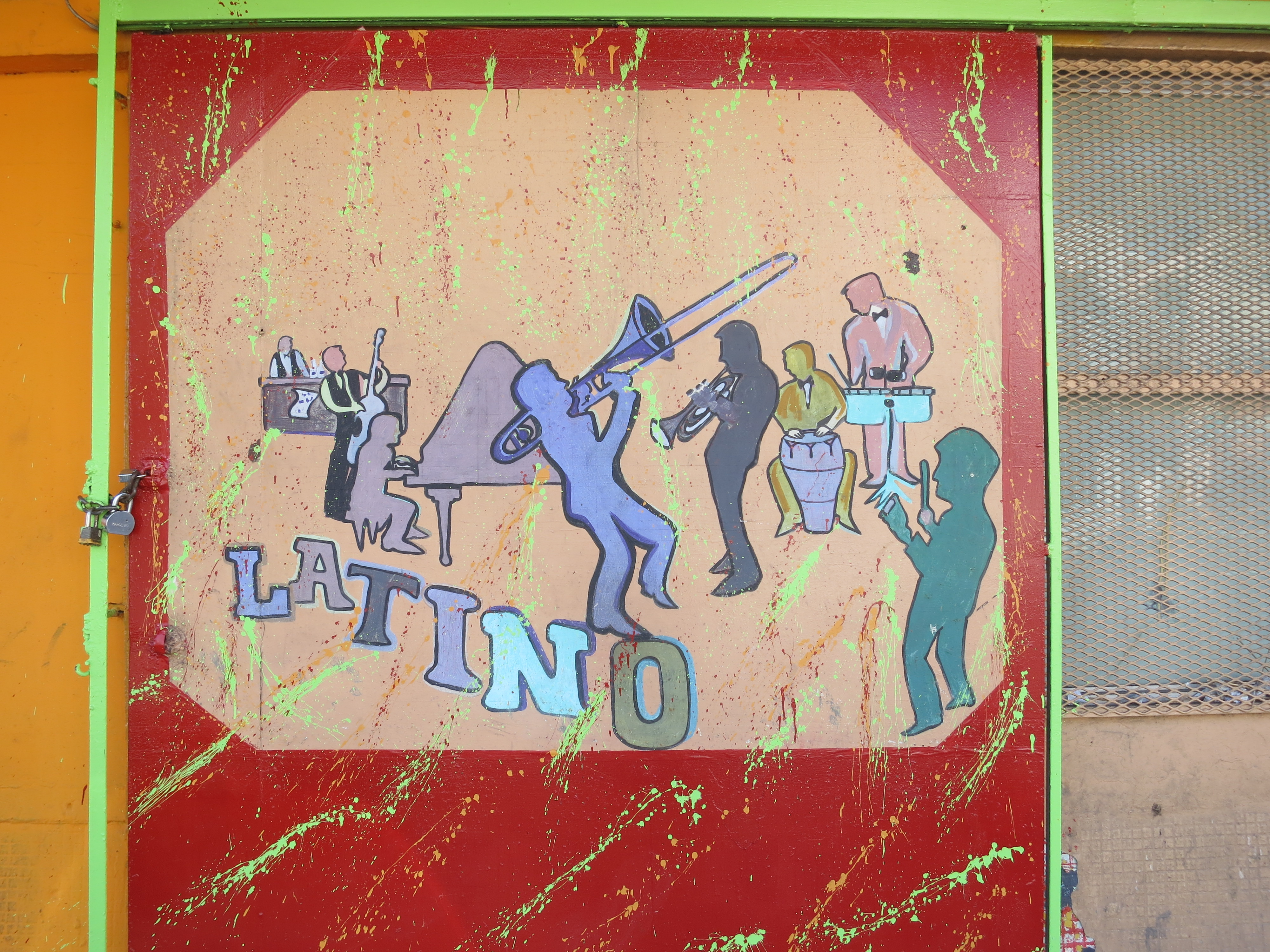
The IAI’s Audio Library preserves rare audio materials (external link, opens in a new window) documenting Puerto Rican music and the evolution of Latin American diaspora soundscapes in the U.S. Among them is a pivotal chapter in musical history: the emergence of modern salsa in 1960s and 1970s New York, where musicians from Puerto Rico, Cuba, and the Dominican Republic forged a new urban aesthetic through collaboration — a testament to the creative power of transnational exchange.
Beyond music, the IAI’s Collections reveal broader narratives: diaspora studies, historical cartography, political posters, and archival documents tracing territorial transformations in the U.S. Southwest — including materials from the era when Texas, California, and vast regions of today’s United States were still part of Mexico.
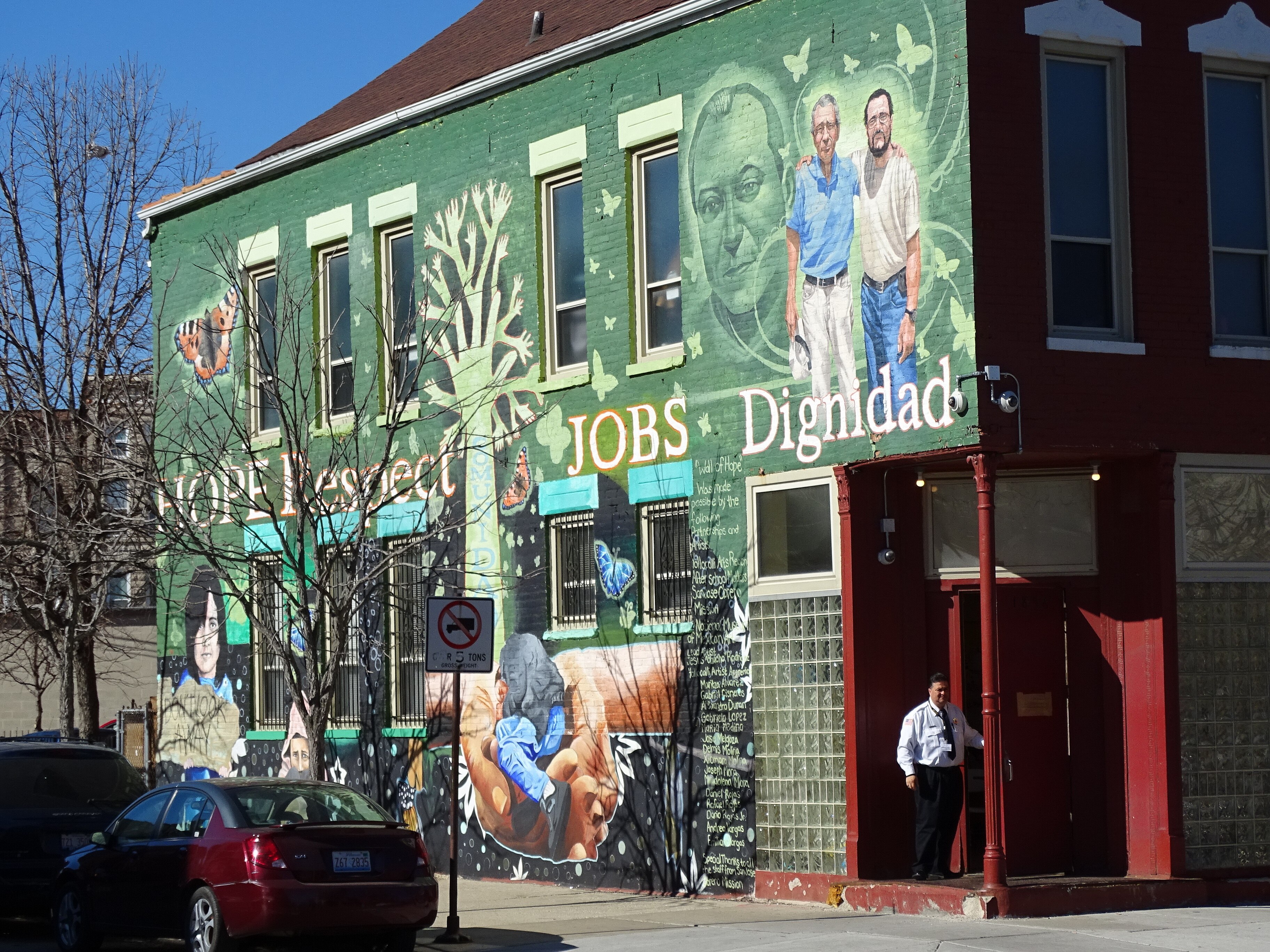
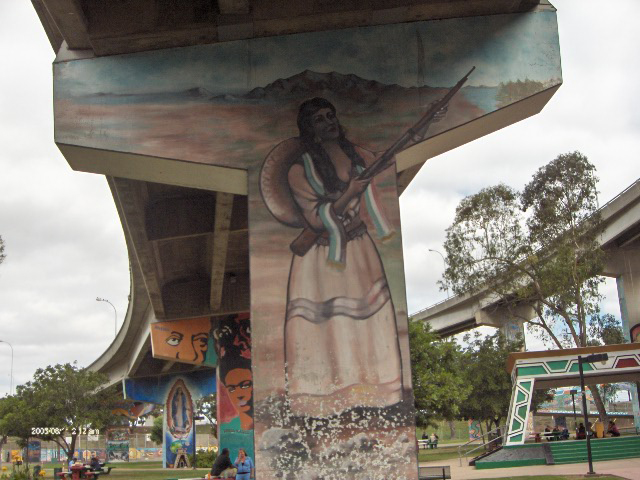
Visual culture is equally represented: artworks and publications that engage with Latinx identity, migration, and cultural hybridity — reflecting how artistic expression has long been a site of resistance, memory, and belonging.
Central to research in these collections is the Chicano Database (external link, opens in a new window), licensed by the IAI, which offers comprehensive access to key fields: Chicano/a Studies, Puerto Rican Studies, Mexican-American History, Migration, Literature, and Cultural Studies — a vital resource for scholars of Latino experiences.
Together, these holdings offer more than historical insight — they provide a window into the dynamic, ever-evolving processes that continue to shape the United States. And they make one thing clear: Latino culture cannot be understood in isolation. It is, by its very nature, transnational.