
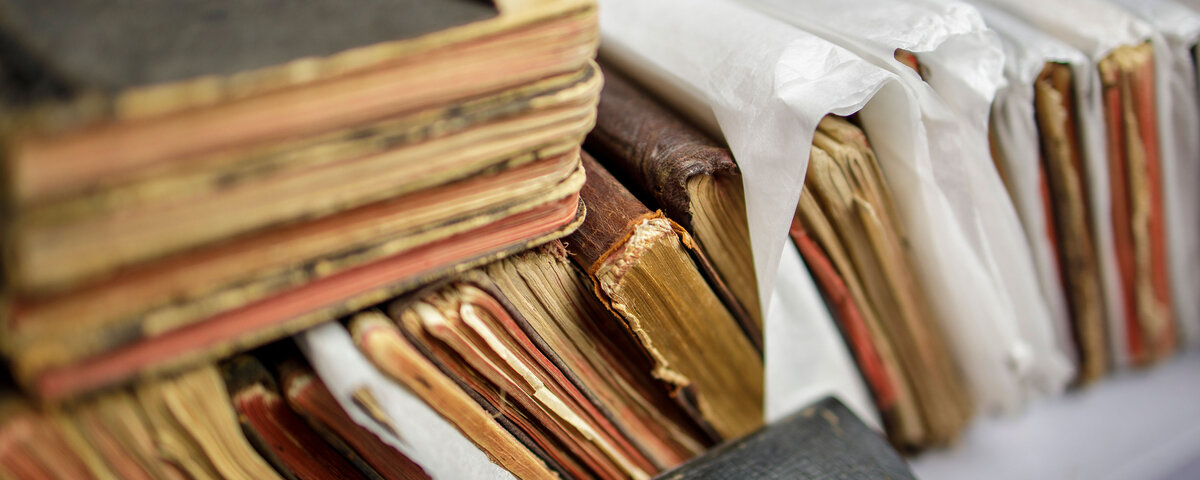
Over the past year, Dr. Cid Swanenvleugel (Leiden University (external link, opens in a new window), Netherlands), Dr. Martin Kohlberger (University of Saskatchewan (external link, opens in a new window), Canada), and Dr. Rita Eloranta (Hanken School of Economics (external link, opens in a new window), Finland), specialists in historical linguistics and language documentation, visited the Ibero-American Institute (IAI) on several occasions to document the linguistic diversity represented in the estates of the two prominent German Americanists, Eduard Seler and Walter Lehmann. This research was made possible by a Global Innovation Fund titled “Paths to the Past: Reconnecting Shiwiar and Mochica Peoples with Their Cultural Legacies”, funded by the University of Saskatchewan and led by Dr. Kohlberger and Dr. Eloranta.
282 languages identified in the estates of Eduard Seler and Walter Lehmann
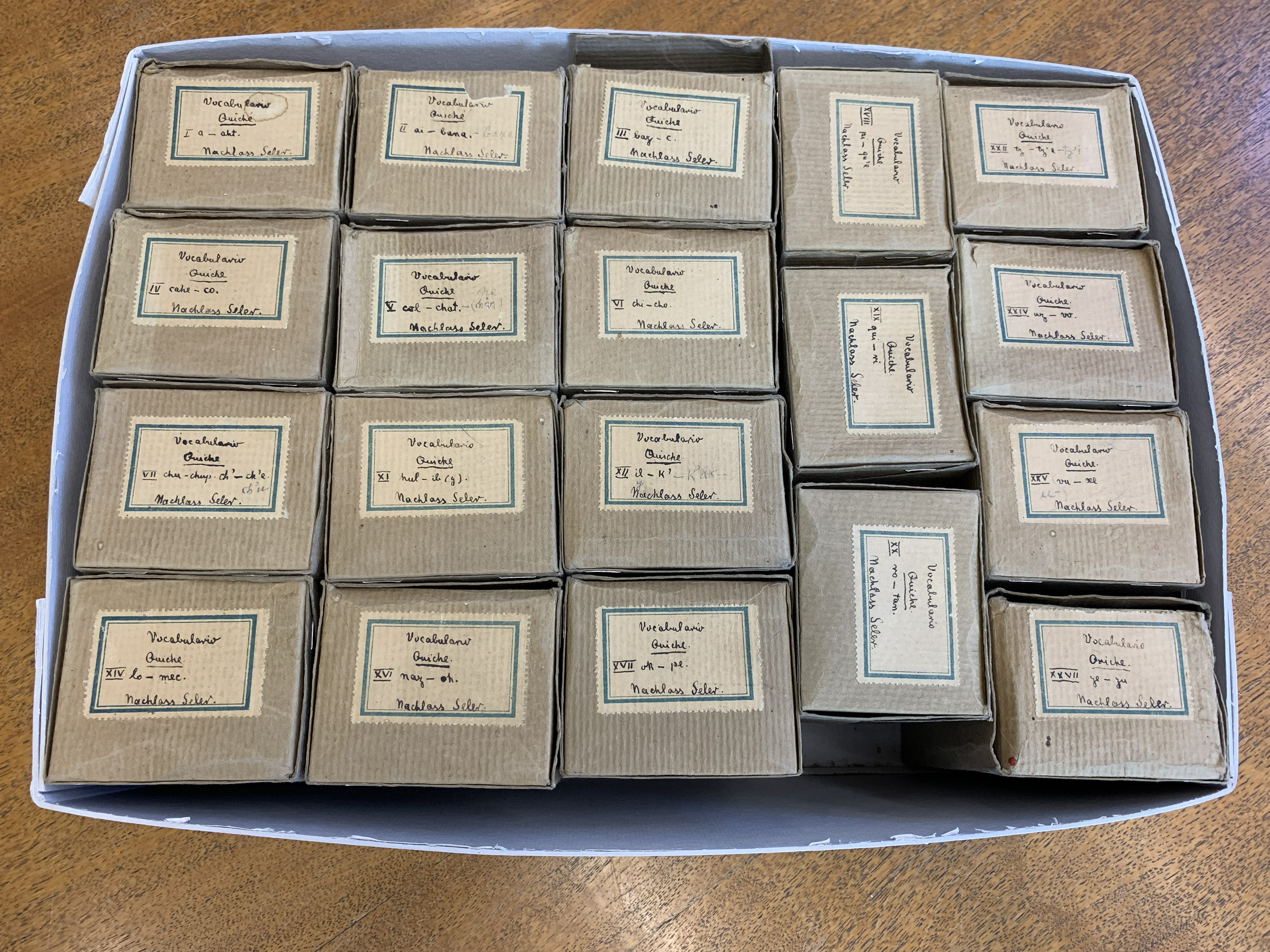
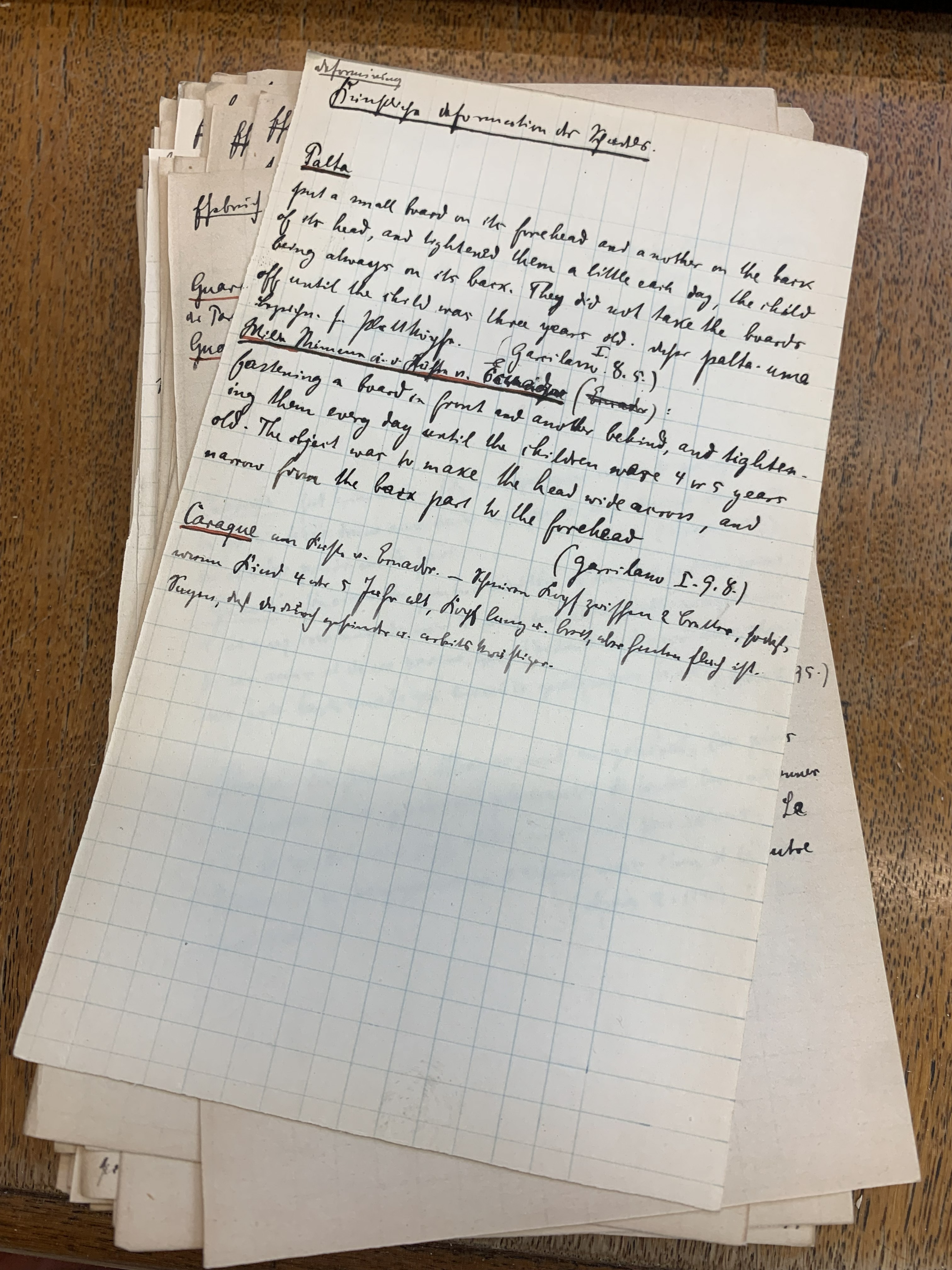
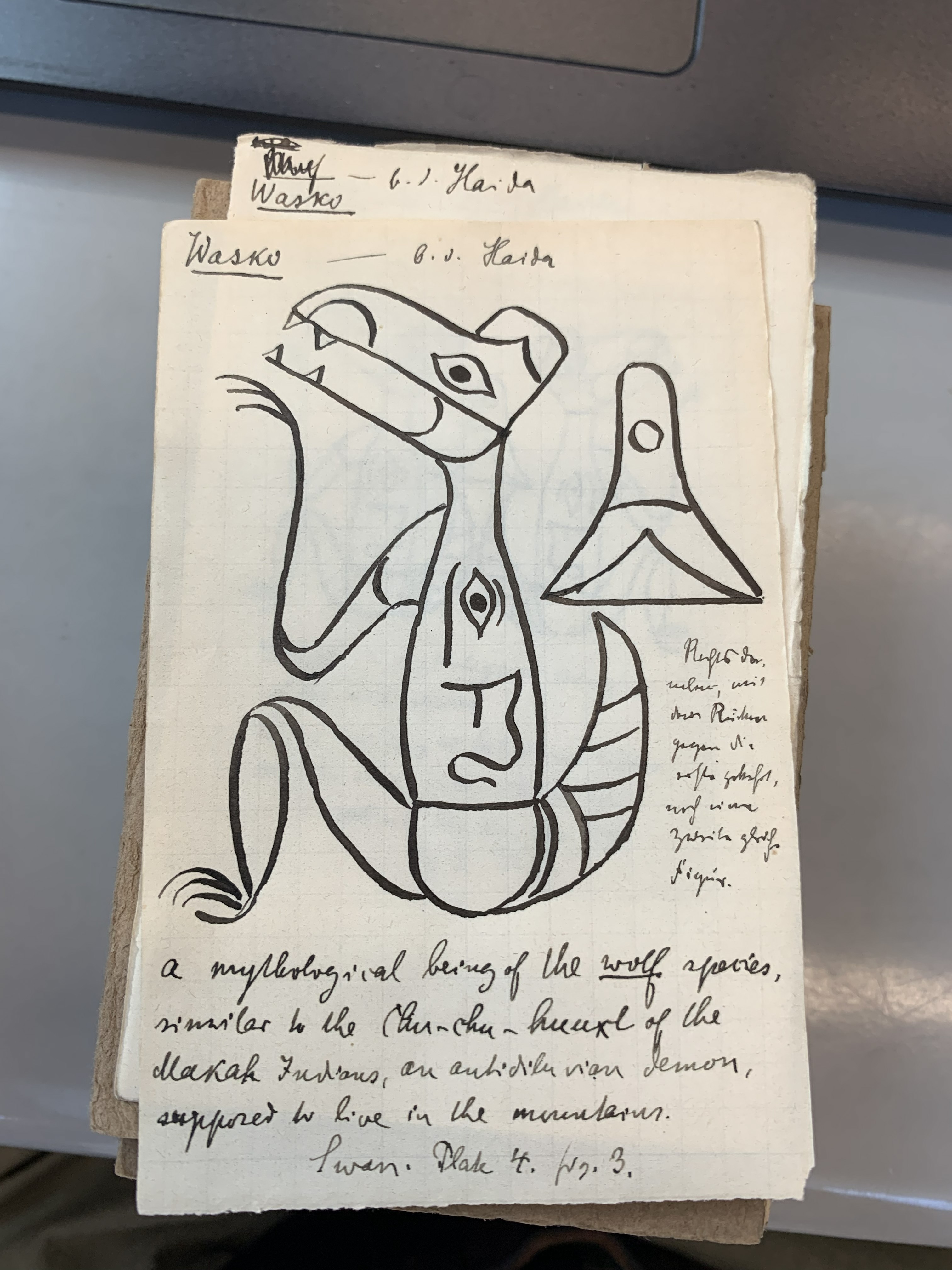
During an ongoing review of the estates of Eduard Seler and Walter Lehmann held at the IAI, materials relating to 282 languages from approximately 60 language families have so far been identified, covering practically all countries of North, Central, and South America. The preliminary results highlight the significant potential of these holdings for linguistic research as well as for Indigenous communities.
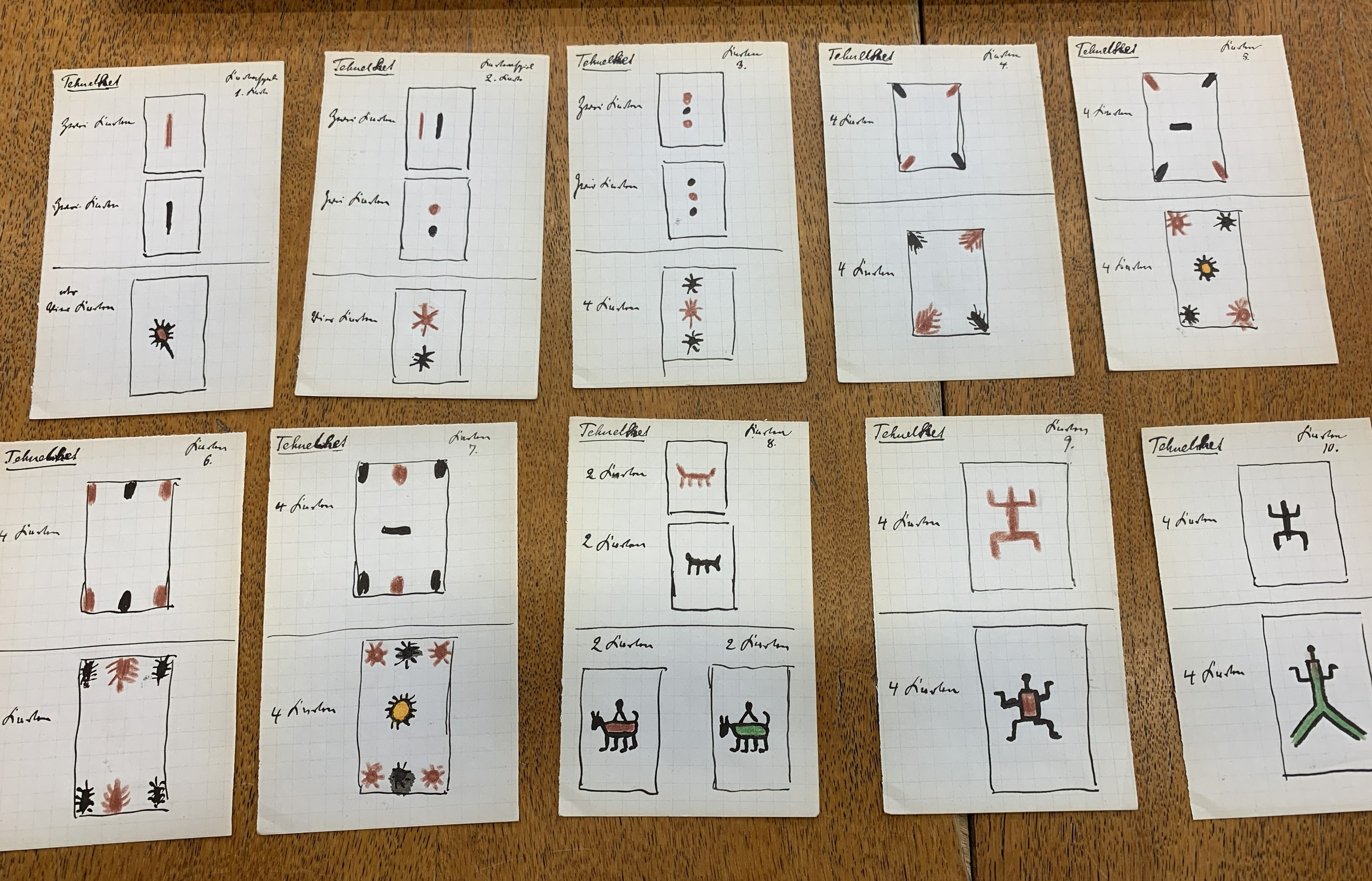
Linguistic diversity greater than previously assumed
An initial survey – focusing primarily on the estate of Eduard Seler and including selected parts of Walter Lehmann’s estate – has already brought to light linguistic and ethnographic materials relating to 282 languages from around 60 language families. These findings suggest that the linguistic diversity contained in the two estates is considerably greater than previously assumed.
The materials are of particular interest to the international linguistic research community, especially those less familiar with the German-language tradition of Americanist research and therefore potentially unaware that relevant historical sources are held in Berlin. At the same time, they can serve as a valuable resource for Indigenous communities, offering opportunities to reconnect linguistic, and cultural materials with the peoples whose history they reflect.
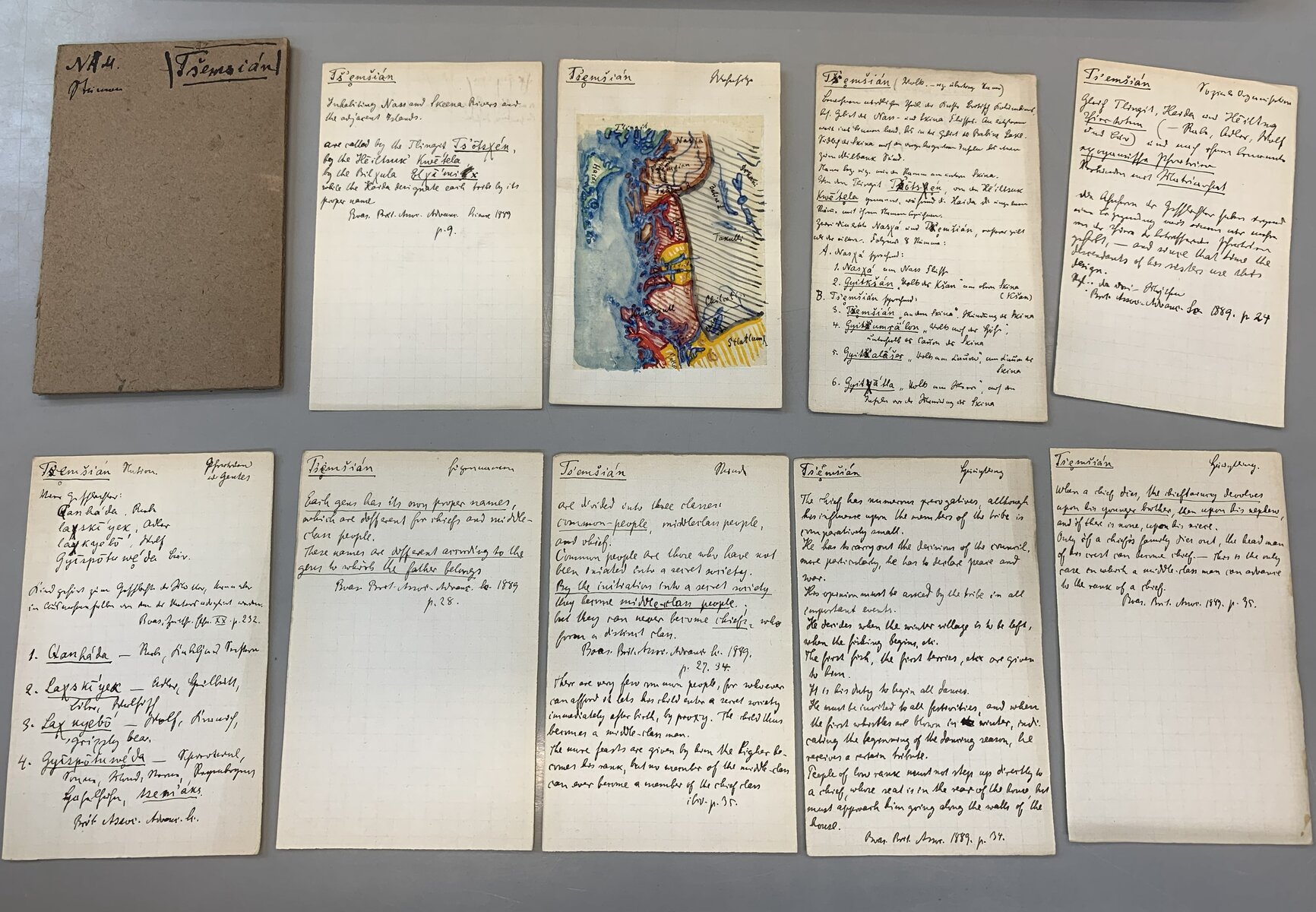
Ongoing investigation
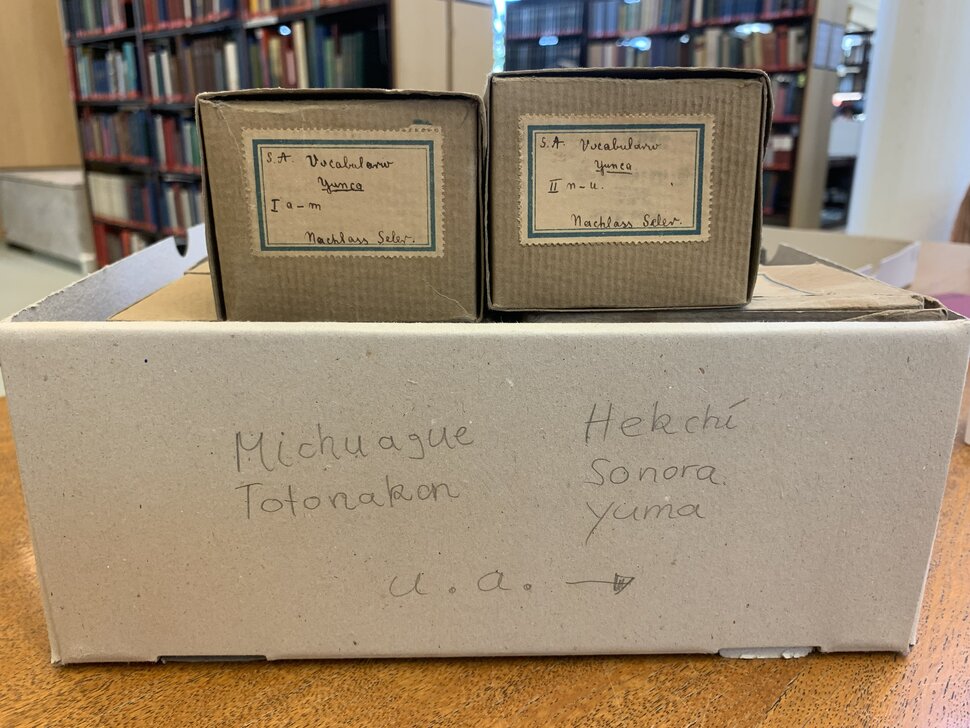
The results obtained so far represent only a first insight. The systematic evaluation of the holdings is set to continue and promises to yield further knowledge about the languages and ethnographic materials preserved in the estates. A more detailed publication of the findings is planned.
As part of an initiative to raise awareness of these sources, the linguistic materials in the Seler and Lehmann estates will be mentioned at the international conference Language Documentation and Archiving 2026 (external link, opens in a new window), taking place in Berlin from 9 to 11 September.
Even at this preliminary stage, the results clearly demonstrate the potential of the IAI’s historical collections for the research and documentation of America’s linguistic diversity. The forthcoming complete evaluation of the estates is expected to further enrich and refine this picture.
For more information:
Contact
-
Toni Matzdorf
- Working area:
- Special Collections
- Papers and Manuscripts / Image Archive / Collections from corporate bodies
- E-Mail: colecciones(at)iai.spk-berlin.de (opens your email program)
- Tel: +49 30 266 45 3110 (starts a telephone call, if your device allows this)
- Working area:
-
Wolff, Gregor
Director Special Collections